 AsaaseYaa
Thrips
Very small, thin insects in flowers and young leaves. They scar the plant and can spread viruses.
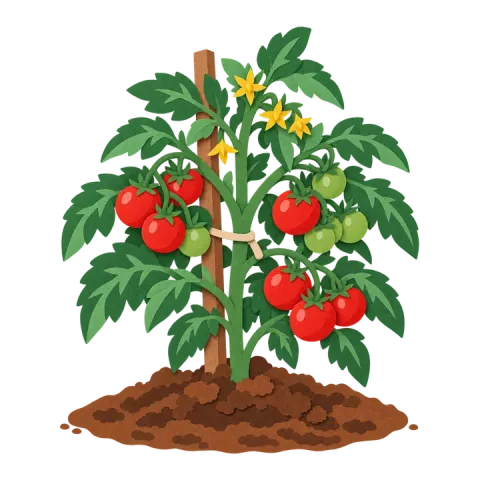
When it comes
| Crop | Stage | Check |
|---|---|---|
| Tomato | Flowering | Scout twice weekly |
| Pepper | Vegetative growth | Scout twice weekly |
| Pepper | Flowering | Scout twice weekly |
| Soybean | Flowering | Scout every 3 days at flowering |
What to look for
Tiny insects in the flowers cause them to curl and twist — that's thrips, and they also carry a virus. If lots of flowers fall off but you don't see bugs, the heat or your watering is the problem — not pests.
Twice a week, look under the leaves. Tiny insects in groups = aphids or whitefly. Silvery scars on leaves = thrips. Webbing or bronze leaves (worse in dry weather) = spider mites. White flies are the dangerous ones — they spread a yellow-vein virus.
When the flowers appear, look closely twice a week. Tiny insects damage the flowers and make them drop. If many flowers fall but you don't see bugs, the plants are stressed from heat or uneven watering — fix that first.
Every 3 days, check the flowers. Small holes in flowers or tiny worms inside = pod borer (treat fast — they ruin the pods later). Tiny insects causing flowers to drop = thrips.
What to do
Suck sap and vector devastating viruses. Manage with reflective mulches, soapy-water sprays, or botanical/synthetic insecticides.
Also watch for
General advice from crop guides for Ghana. Before you spray, ask your agro-input dealer for a product registered for this pest, read the label, and wear gloves. For a serious attack, call your district agriculture office or an agronomist.
Catch it early
AsaaseYaa reminds you when to check your crop for pests, and shows you what to look for. Free.